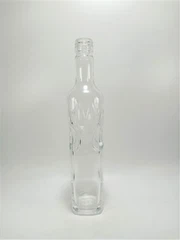

The Functionality Of Glass Bottles
Mar 04, 2026
Glass bottles are common containers in daily life. Due to their safety, environmental friendliness, and transparency, they are widely used in various fields such as food, daily chemicals, and household items, serving as an important medium connecting industry and life. They are primarily made from raw materials such as quartz sand, soda ash, and limestone, and are produced through processes like melting, molding, and annealing. They are hard, non-toxic, and odorless, and do not chemically react with the contents, ensuring that the original flavor and quality of the items are preserved to the greatest extent possible.
In industrial applications, glass bottles are one of the core categories in the packaging industry, suitable for products such as wine, beverages, seasonings, and skincare products. They possess excellent sealing and barrier properties, effectively preventing moisture and oxygen infiltration, thereby extending the shelf life of products. Additionally, the transparent bottle body allows for a direct display of the product's shape, enhancing the product's appearance value and recognizability, and is highly favored by brand owners. With technological advancements, glass bottle production has undergone an intelligent transformation, incorporating fully automated molding and online quality inspection equipment, significantly improving production efficiency and product qualification rates.
In daily life, the value of glass bottles far exceeds that of mere packaging. Apart from carrying items, they can be repurposed through simple modifications, transforming into home decorations, storage tools, gardening containers, and more. After cleaning, they can serve as vases, candlesticks, and after being painted or decorated, they can become personalized ornaments. They can also be used for storing dry goods and small items, making them both environmentally friendly and practical.
Nowadays, green and low-carbon development has become a trend, and the recyclability advantage of glass bottles has become increasingly prominent. Recycled glass bottles can be reused after processing, effectively reducing resource waste and environmental pollution. In the future, with continuous technological innovation, glass bottles will continue to make breakthroughs in lightweight, personalization, and environmental protection, balancing industrial needs and life aesthetics, and unleashing more value.