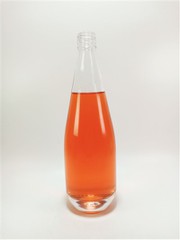

Introduction To Glass Wine Bottles
Aug 07, 2026
When storing and displaying alcoholic beverages such as vodka,fruit wine,and red wine,the choice of bottle is crucial.The right wine bottle can not only protect the quality of the wine,but also enhance the product image.Glass wine bottles have become a common choice for wine packaging due to their high transparency,good chemical stability,and recyclability.This article will conduct popular science around the material characteristics,design details and usage scenarios of glass wine bottles.
1.Material and technology:the core advantages of glass wine bottles
The main component of glass wine bottles is silica,which is melted at high temperature and then blown or pressed into shape.Its advantages are:strong chemical stability and no reaction with wine;high transparency,which can clearly display the color of wine;good barrier properties,which can effectively prevent the entry of oxygen and delay the oxidation of wine.In addition,the glass material is resistant to high temperature sterilization and meets food-grade safety standards.Some wine bottles are designed with thickened bottoms to enhance stability and avoid tipping over;the spray-baking process gives the bottles a matte or frosted texture to enhance the visual quality.
2.Design details:balance between function and beauty
Wine bottle design needs to take into account sealing,logo printing and user experience.In terms of sealing,the cooperation between the bottle mouth and the bottle cap is the key.Common designs include screw caps,corks,or gland constructions to ensure no leakage during long-term storage.In terms of logo printing,glass wine bottles support spraying,baking or screen printing processes,and brand LOGO,patterns or text can be customized as needed to meet individual needs.In terms of capacity selection,500ml and 375ml are common specifications,which are suitable for family drinking and gift-giving scenarios respectively.In terms of color,transparent glass can highlight the original color of the wine,while colored glass such as amber and green can reduce direct light and protect the flavor of the wine.
3.Application scenarios:the whole process from storage to display
The application scenarios of glass wine bottles are very wide,covering the production,sales and consumption of wine.In terms of production,wine bottles need to comply with national standards to ensure that the materials are safe and non-toxic;some export products also need to pass ISO9001 certification to meet the requirements of the international market.In terms of sales,the appearance design of wine bottles directly affects consumers'purchasing decisions.Spray baking technology or customized LOGO can enhance brand recognition.On the consumer side,the sealing of glass wine bottles ensures the quality of the wine,and the thickened bottom design improves safety.In addition,the glass material is recyclable and conforms to the trend of environmental protection.
4.Customization and selection:How to match needs?
Glass wine bottles support customization,and the specifications,colors or printing content can be adjusted according to the purpose.For example,a fruit wine brand might choose a clear bottle to showcase the color of the wine,while a vodka brand might choose dark glass to reduce the impact of light.If quick replenishment is required,ready-made wine bottles can shorten the production cycle;materials intended for cross-border export must meet the packaging specifications of the target market.When choosing,it is recommended to give priority to quality level and execution standards to ensure product compliance;at the same time,decide whether to customize the design based on brand positioning to balance cost and effect.